
Keloids
What are Keloids?
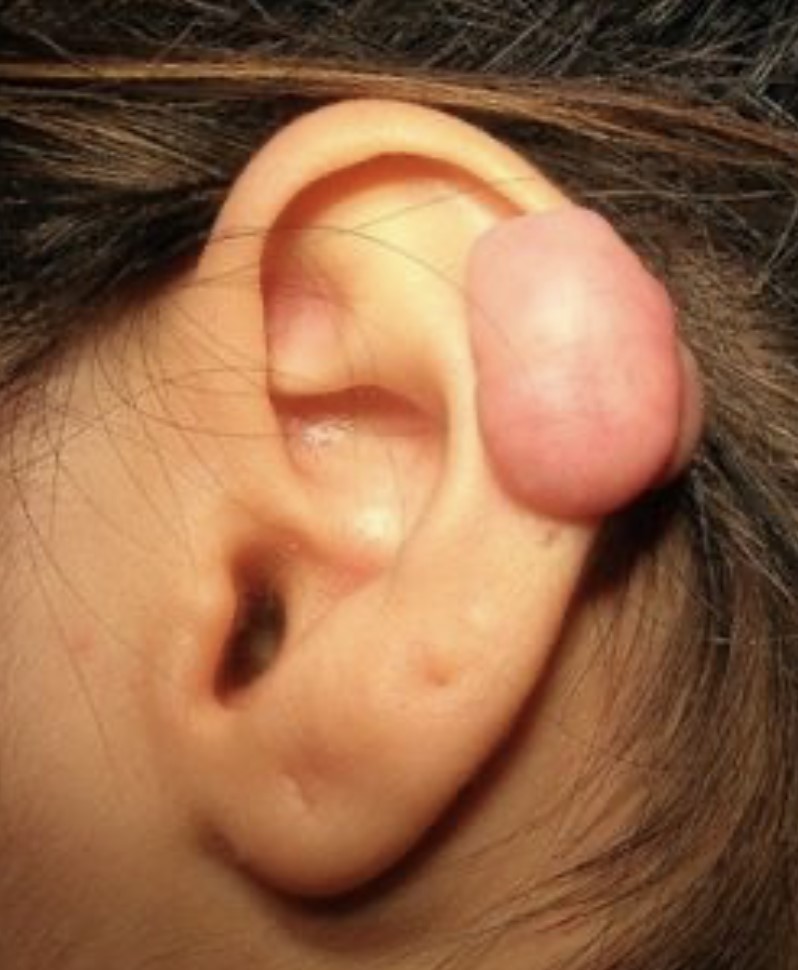
Keloids are a type of raised scar that forms due to overgrowth of collagen in the skin and its healing process. Keloids extend beyond the boundary of the original wound and may be larger, thicker , and more prominent
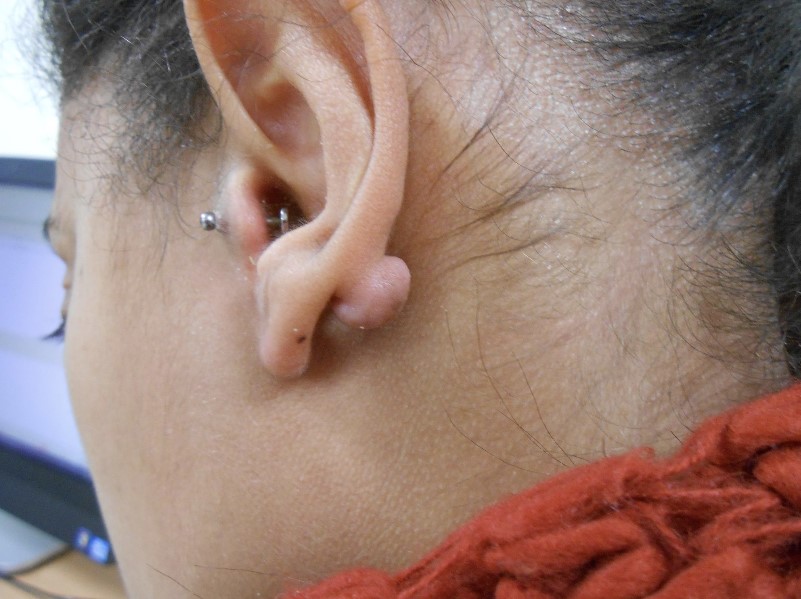
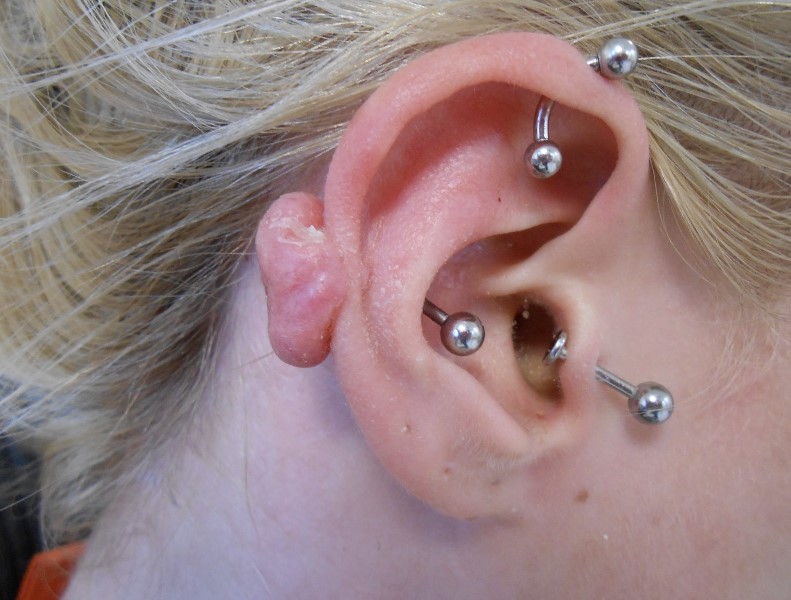
They can often occur after ear piercing either on the earlobe or the fleshy cartilage rim of the ear. Keloids are raised, Keloids can occur after any type of injury to the skin .
Symptoms
Keloids may be itchy or painful and may cause self consciousness to an individual as they can grow quite large. Some people are more prone to keloids than others. .
Keloids may appear on certain areas of the body, Patients we have seen have keloids on their chest, earlobes , shoulder or upper back area.
Keloid scars can also vary in colour from a very light pink colour to a dark brown. In some people they can be tender to to touch and change in texture and colour.
The choice of treatment depends on the size of the keloid location, and severity , as well as individual factors
Following a piercing which is a localised wound to this skin, fibrous scar tissue will form as the wound heals. Excessive scar tissue from the piercing site can produce a slow growing small lump a number of months following your piercing procedure.
Keloids are more common in those people under 30 years of age who tend to have a darker skin tone.
Corticosteroid injections – The injections can help reduce the size of the keloid and may also flatten by reducing inflammation and suppressing collagen production.
Surgical removal – It may be required to remove a keloid as an option, and additional treatment may be required to prevent regrowth.
It is important to discuss with our surgeon your concerns, they will be able to evaluate the keloid, discuss treatment options for you and recommend the most suitable approach based on your specific situation,
Removal of Keloid Scarring
The Yorkshire Skin Hospital offers two procedures for keloid scarring removal under local anaesthetic.
Steroid injection therapy – Steroid injection therapy can help reduce the size and thickness
Surgical excision – Surgical excision may be a choice for yourself , however this would need o be discussed with DR. Wright on your free consultation.
This being discussed in detail at your free consultation. The decision as to which is preferable is dependent on the individual case and advised by Dr Wright.
Contact us now to arrange your free consultation.
0%
Finance Available*
*Subject to status. Terms and conditions apply
